Loading...
Chat with us 💬
Loading...
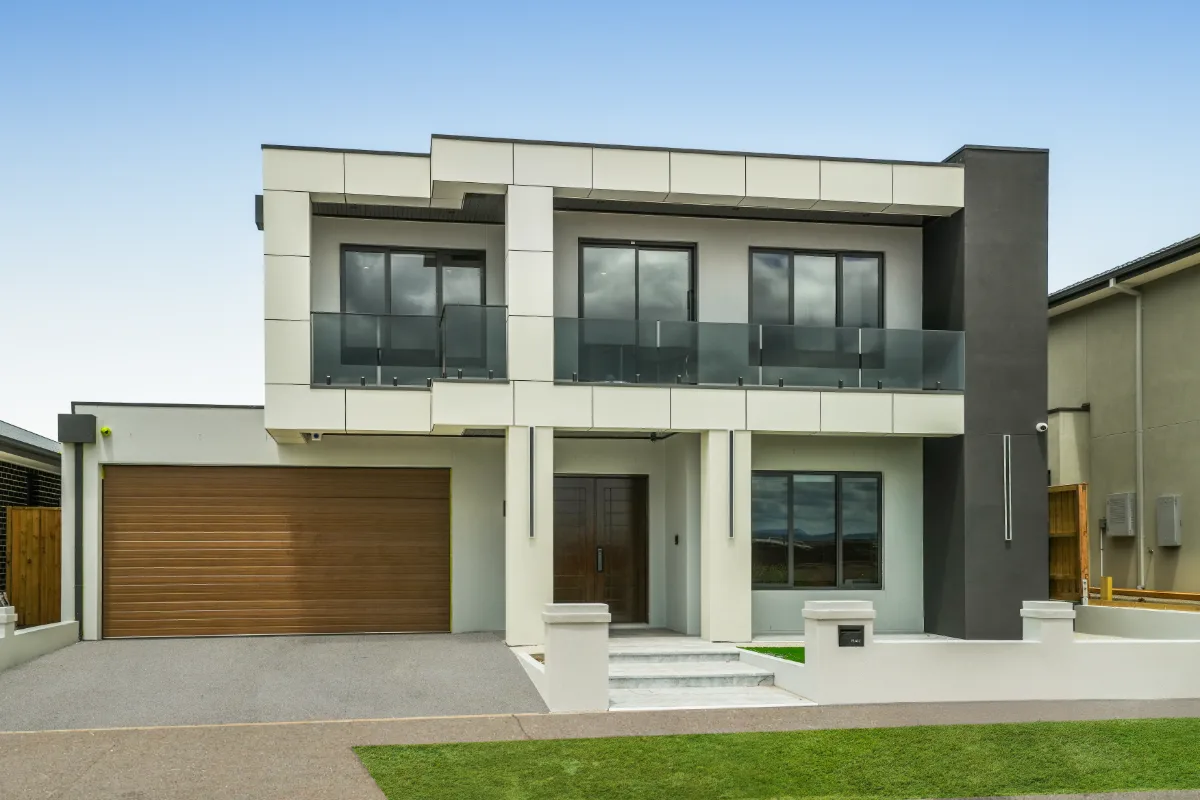
Building a new home is one of the most exciting milestones in life — but it can also be one of the most stressful if you go in unprepared. Perth's unique climate, soil conditions, and planning regulations mean there are a few things that are specific to building in Western Australia.
At Maple Homes, we've guided hundreds of families through the building process. Here are five things we always tell our clients before they sign on the dotted line.
Not all land is created equal. In Perth, soil types vary dramatically between suburbs — from sandy coastal soils in Scarborough and Mindarie to heavy clay in areas like Ellenbrook and The Vines. Your soil classification directly affects your foundation costs.
A geotechnical (soil) report should be one of the first things you arrange. An "A" classification (sand/rock) is the cheapest to build on, while "S" (slightly reactive), "M" (moderately reactive), and "H" (highly reactive) classifications will increase your slab costs due to the need for deeper footings and more reinforcement.
Pro tip: Ask your builder to walk the block with you before you commit. They'll spot slope issues, easements, and orientation problems that could cost you thousands down the line.
Every block in Perth falls under a Residential Design Code (R-Code) set by the local council. This determines your setback distances, building height limits, open space requirements, and how much of the block you can build on.
For example, an R20-zoned block typically requires a minimum of 50% open space, while an R40 block might allow much higher site coverage — but with stricter boundary setback rules.
Before you fall in love with a floor plan, make sure it actually fits your block under your council's requirements. Your builder should handle this during the pre-construction phase, but understanding the basics yourself gives you a big advantage.
Perth gets over 260 days of sunshine a year, which sounds wonderful — until your west-facing living room turns into an oven every summer afternoon. Orientation matters enormously here.
Key design principles for Perth homes:
Good passive design doesn't just make your home comfortable — it significantly reduces your energy bills for decades to come.
Most new home quotes cover the build itself, but there's a long list of items that often aren't included. Being aware of these upfront helps you avoid the dreaded budget blowout.
Common items outside the base build price:
A realistic rule of thumb: budget an additional 15–20% above your build contract for these finishing costs. It's always better to be over-prepared than caught short right before moving day.
The building process typically takes 6–10 months in Perth, depending on complexity and council timelines. During that time, your relationship with your builder matters as much as the bricks and mortar.
Look for a builder who offers regular progress updates, gives you a dedicated point of contact (not a generic call centre), and is transparent about any delays or variations. Don't be afraid to ask for references from recent clients — not just the showcase projects, but everyday family homes.
At Maple Homes, we assign every client a project manager who keeps you informed at every stage, from slab pour to final handover. We believe building your home should feel exciting, not anxious.
If you're thinking about building a new home in Perth, the best first step is a no-obligation consultation with an experienced builder. We'll walk you through the process, help you understand your site, and give you a realistic picture of what your dream home will cost.
Get in touch with the Maple Homes team today — we'd love to help you get started.
Continue reading from our blog